
Seismic analysis of the Vega Baja del Segura through fiber-optic and laser technology
On March 21, 1829, the Torrevieja earthquake (estimated magnitude M6.1–M6.3) struck the Vega Baja del Segura region in southeastern Spain, making it one of the most devastating natural events in the country’s history. The earthquake caused nearly 400 fatalities and destroyed more than 5,000 homes.
As the 200th anniversary of the event in 2029 approaches, it serves as a powerful reminder of the region’s seismic risk and as a key inspiration for SISMOVEGA: an initiative focused on analyzing the evolution of cortical stress and its relationship with seismicity, with the overall goal of improving our ability to detect the preparatory phases of earthquakes and strengthening regional resilience.
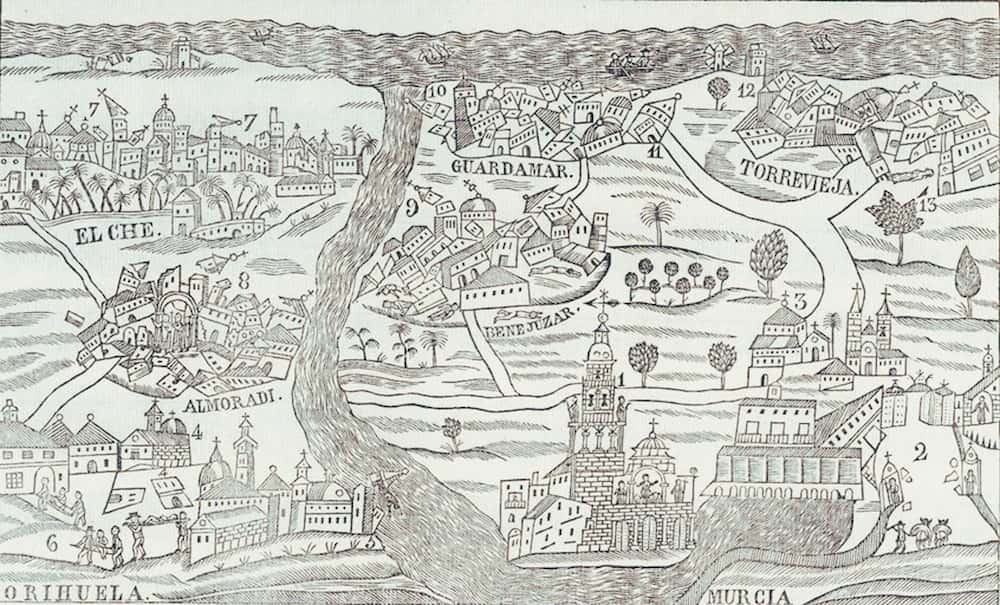
Sources: Museum of the Earthquake archive, Almoradí
SISMOVEGA uses DAS technology and scientific games to analyze seismic activity and strengthen community resilience
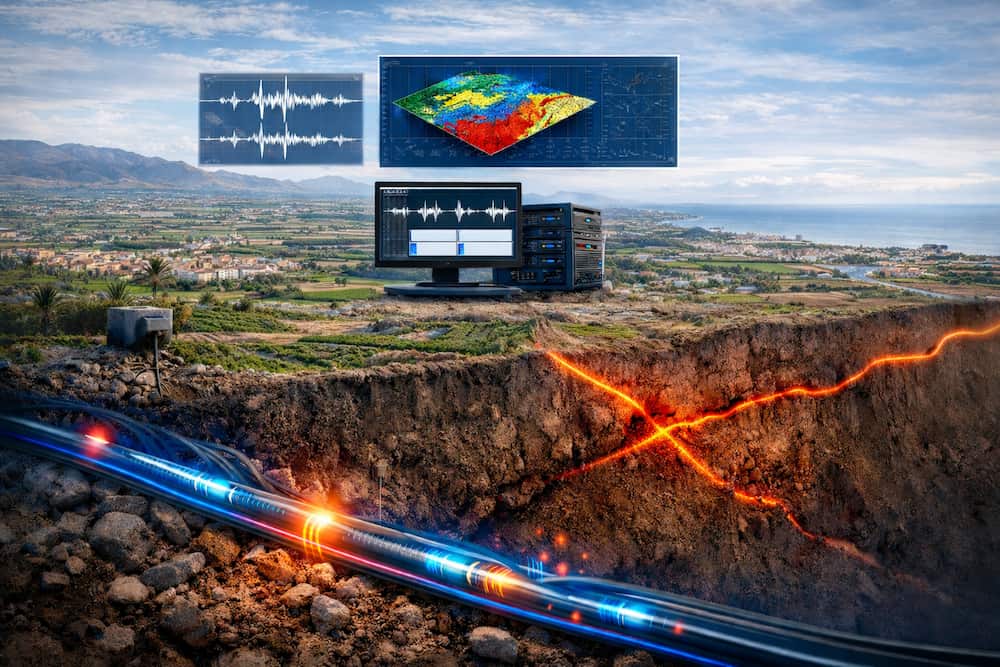
SISMOVEGA is a research initiative that combines Distributed Acoustic Sensing (DAS) technology—turning existing fiber-optic cables into dense seismic sensor networks—with advanced data processing and analysis techniques. The system aims to detect and characterize subtle crustal deformation, microseismicity, seismic noise and other geophysical signals that precede, accompany, and follow seismic events.
By transforming regional fiber infrastructure into a high-resolution, real-time monitoring network, the project enables continuous observation of both natural and anthropogenic seismic activity. Its goals include improving understanding of the regional fault system, assessing the evolution of crustal stresses, and providing a unifying framework for developing and testing new tools for detecting geophysical unrest and analyzing risks.
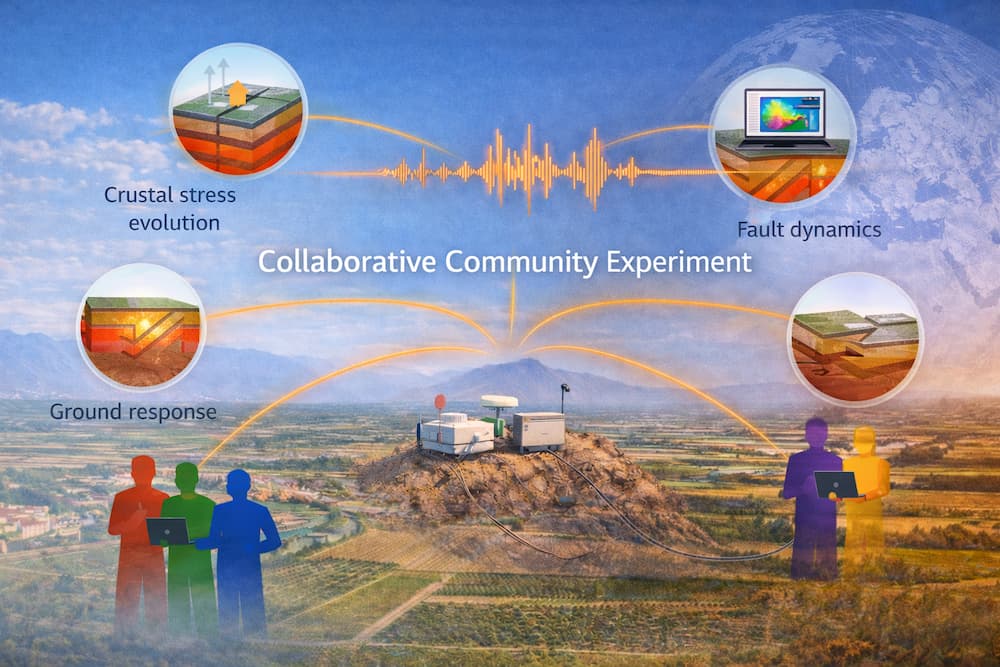
As part of its collaborative framework, SISMOVEGA is developing a community experiment that brings together national and international research groups to jointly investigate the seismotectonics of the Vega Baja del Segura region. This coordinated effort will serve as an open scientific platform, allowing teams from various institutions to contribute their expertise and methodologies to a shared experiment aimed at understanding the evolution of crustal stress, fault dynamics, and ground response in a complex tectonic environment.
Beyond its scientific scope, the initiative aspires to establish the Vega Baja del Segura as a natural laboratory for testing innovative seismic monitoring technologies and data analysis methods. By welcoming contributions from the broader geophysical community, SISMOVEGA promotes open science, methodological consistency, and long-term international collaboration—positioning the region as a benchmark site for cooperative research on seismic hazards and crustal processes.
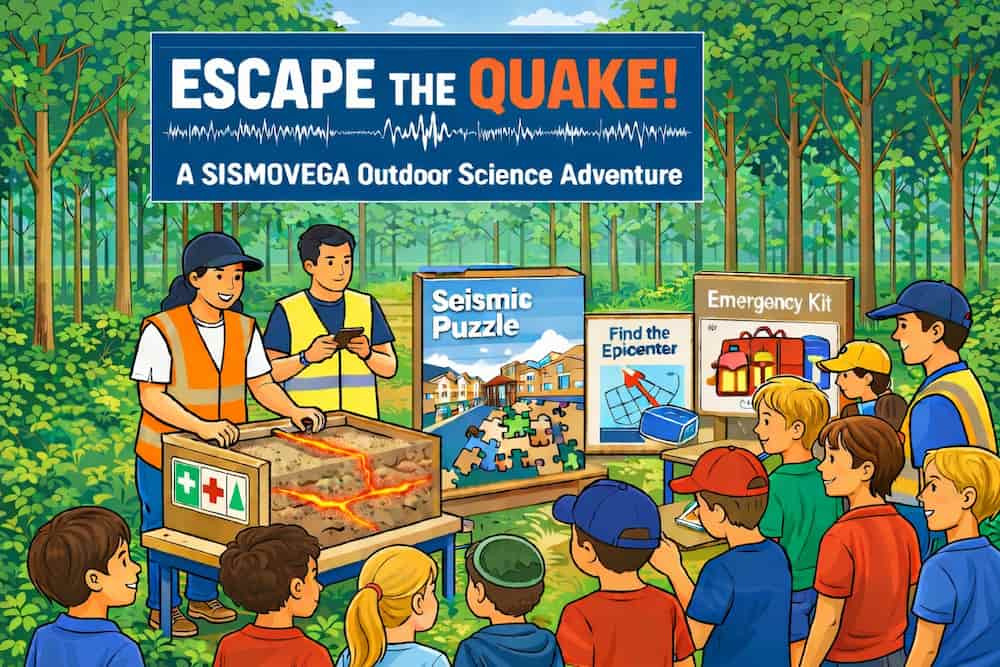
Beyond its scientific objectives, SISMOVEGA places a strong emphasis on education and social engagement through Escape the Quake!—an innovative outdoor scientific adventure that teaches children and families how earthquakes and other natural disasters occur, and how to react safely. Inspired by the concept of an escape room but set in an open environment, the activity combines challenges, exploration, and teamwork to make learning about natural disasters as engaging as it is memorable.
Through close collaboration with local institutions, companies, schools, and municipalities, SISMOVEGA seeks to raise public awareness about seismic risk and preparedness, fostering a culture of resilience across the region. By merging scientific innovation with creative outreach, the project aims to make the Vega Baja del Segura a model area for community-centered geoscience—drawing lessons from the 1829 Torrevieja earthquake to strengthen preparedness and resilience.