
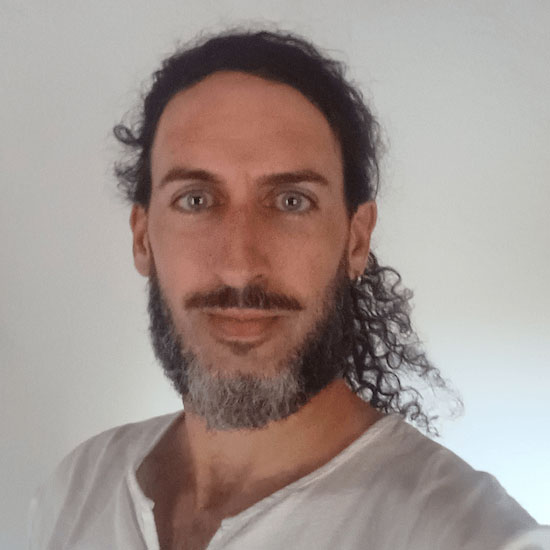
Dr. Társilo Girona is the Principal Investigator (PI) of the SISMOVEGA project. He is a Ramón y Cajal researcher at Geociencias Barcelona (GEO3BCN-CSIC), where he leads research focused on developing advanced methodologies for the detection of geophysical anomalies, understanding the processes that generate extreme geological phenomena, and improving our ability to anticipate them. His work integrates seismic and geochemical observations, thermal infrared satellite data, numerical modeling, field and laboratory experiments, as well as artificial intelligence techniques applied to the study of natural hazards. As PI of SISMOVEGA, Dr. Girona coordinates a multidisciplinary initiative aimed at deploying advanced seismic analysis technologies in the Vega Baja del Segura region (southeastern Spain), together with the development of innovative educational and outreach activities. The project combines Distributed Acoustic Sensing (DAS) technologies, fiber optic networks, a variety of geophysical and geochemical instruments, geophysical modeling, and pedagogical initiatives with the goal of transforming the region into a pioneering testbed for next-generation seismic monitoring, promoting geosciences, and strengthening resilience to natural hazards.
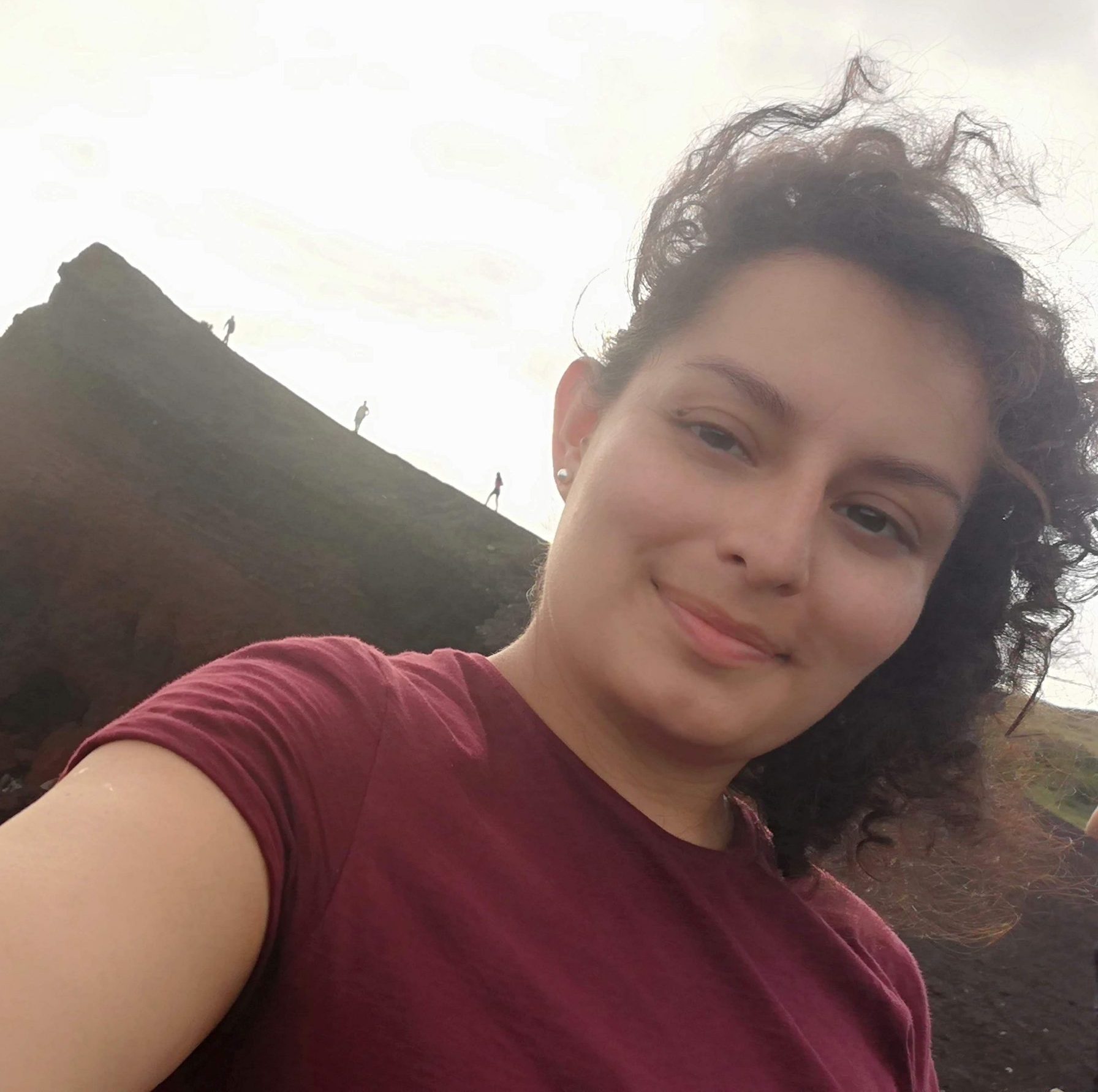
Dr. Sindy Carolina Lizarazo is a postdoctoral researcher at Geosciences Barcelona (GEO3BCN-CSIC) supported by the SISMOVEGA project. She holds a PhD in Science with a specialization in Earth’s Dynamics from Nagoya University (Japan). Her expertise focuses on the acquisition, processing, and modeling of ground deformation data using GNSS and InSAR, with applications to active tectonics and volcanism. Her research integrates dense multiparametric observations with physics-based models to improve the understanding and forecasting of geological hazards. Within SISMOVEGA, she will investigate ground deformation patterns in the Vega Baja del Segura region and their links to natural and anthropogenic processes, integrating geodetic observations with Distributed Acoustic Sensing (DAS) and other geophysical and geochemical datasets. She also contributes to the project’s outreach and educational activities.
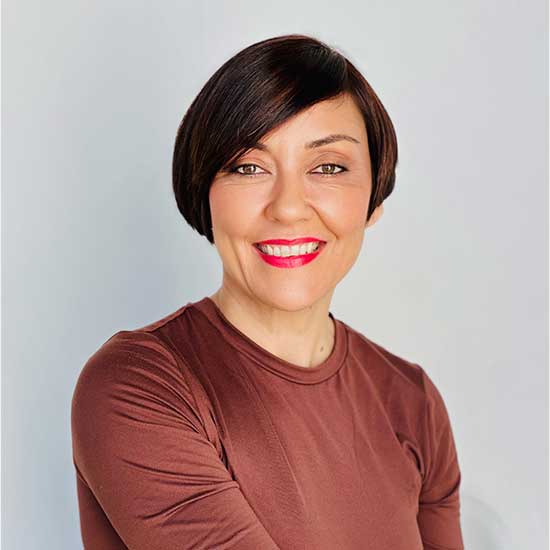
Soraya Manzanera Quiles is an educator with expertise in educational innovation, developing active methodologies that foster meaningful learning and stimulate students’ curiosity. She develops approaches that strengthen autonomy and critical thinking, and as a teacher instructor she promotes pedagogical transformation through practical strategies that enrich learning. In SISMOVEGA, she co-leads the design of Escape the Quake!, creating engaging and surprising activities that bring geosciences closer to children. In particular, her contribution to the project focuses on the pedagogical development of experiences based on puzzles, tests, and challenges that facilitate the understanding of seismic processes, promote participatory learning grounded in real scientific practice, and foster sustained interest in natural phenomena.
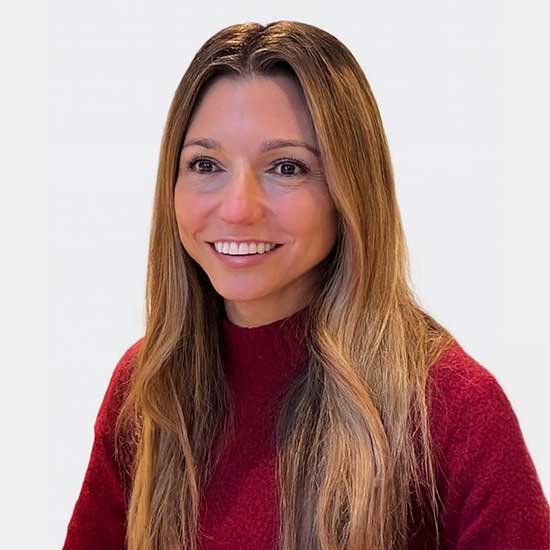
Noelia Sánchez Pardo is an educator with extensive experience in the school system and a teacher trainer specializing in innovative methodologies. Her work combines direct classroom practice with the professional development of teachers seeking to transform their teaching toward more inclusive, creative, and student-centered models. Within SISMOVEGA, she co-leads the design of Escape the Quake!, aimed at bringing science closer to children through participatory educational experiences. Her goal is to design and coordinate activities that allow boys and girls to become “scientists for a day,” fostering curiosity, critical thinking, and active learning. Her work ensures that every visit becomes a meaningful and enriching educational experience, strengthening the participants’ connection with the scientific and natural world.
José Ángel Pic Cuartero is currently the Managing Director of VegaFibra in the southern Levante region of Spain, with extensive experience in the telecommunications sector. A co-founder of the TVHoradada Group, established in 1988, he led its expansion and consolidation until 2018, when Avatel acquired 100% of the company. Following this period, he became involved in projects such as VegaFibra, Flexa Networks, and Sat TV Plus, driving their growth and contributing to the creation of a leading telecommunications group in the provinces of Alicante and Murcia, which was later reintegrated into Avatel. He is particularly recognized for his expertise in the deployment of fiber-optic networks and for his strategic vision focused on advancing connectivity and digital services across the region. Within the framework of the SISMOVEGA project, he contributes his expertise in telecommunications infrastructure and fiber optic network deployment.

Andrea Liboreiro is the CEO of elanta (one of the main neutral wholesale FTTH operators in Spain). She is a seasoned telecommunications lawyer with over 20 years of experience, specializing in mergers and acquisitions. She began her career as Senior M&A Counsel at Telefónica, and later served as General Counsel and Head of M&A at lyntia networks, a company owned by Antin Infrastructure Partners. Andrea played a pivotal role in the creation and growth of lyntia’s FTTH access division, now known as Elanta, leading over 130 M&A transactions and driving substantial increases in customer base, fiber coverage, and turnover. Following the sale of Lyntia Networks in January 2023, she was appointed CEO of Elanta, overseeing its continued strategic expansion. Andrea holds First Class Honors degrees in English Law and Spanish Law from University College London (UCL) and is a qualified Spanish lawyer and English solicitor. Fluent in English, Spanish, and Portuguese, she combines a robust legal education with extensive industry expertise as a director. Within the framework of the SISMOVEGA project, she contributes her extensive experience in the telecommunications sector, the strategic management of fiber optic infrastructures, and the development of corporate and operational agreements.
Miguel Ángel González is an FTTH Operations professional at Elanta, with training from the Spanish Navy School of Transmissions and Electricity (ETEA) and in Industrial Design. He has a solid and proven track record in the telecommunications sector, with extensive experience in the installation, commissioning, and deployment of communications networks, working with technologies such as Radio, MPLS, DWDM, FTTH, GSM, LTE, and TETRA, among others. He has held both technical and operational leadership roles, managing complex projects and coordinating multidisciplinary teams in demanding environments. Miguel Ángel has been responsible for after-sales service, operations and maintenance (O&M), and project management, always maintaining a strong customer-focused approach and ensuring service quality, network reliability, and operational continuity. Within the framework of the SISMOVEGA project, he contributes his expertise in telecommunications infrastructure and fiber optic network deployment.
Lara Expósito holds a degree in Journalism and has experience in institutional communication, content creation, and supporting scientific outreach projects. She has worked on the design and implementation of communication strategies that combine science communication storytelling, digital communication, and project management. She currently coordinates the Communication & outreach Unit of Geosciences Barcelona (GEO3BCN-CSIC), focusing on adapting academic knowledge into accessible formats for diverse audiences. Her contribution to SISMOVEGA consists of supporting different communication and outreach efforts, including content planning and production, audience specific adaptation, and the development of actions to increase the project’s visibility.
Dr. Jordi Díaz Cusí holds a PhD in Physics (University of Barcelona) and a PhD in Internal Geophysics (Université Paris VI). He is a Senior Scientist at GEO3BCN-CSIC in Barcelona and his research focuses on investigating the structure and geodynamic processes of the Earth’s crust and upper mantle using a variety of seismic techniques. In recent years, his research has focused on developing innovative seismic approaches for environmental and anthropogenic monitoring. He is strongly committed to science communication, regularly delivering lectures and workshops on seismology and actively sharing seismological knowledge through social media. His scientific output includes 106 articles in SCI-indexed journals, 290 presentations at leading international conferences, and leadership of 11 competitively funded research projects. For the SISMOVEGA project, he will contribute his expertise in environmental seismology to help characterize seismic wave propagation and ambient vibration patterns across the Vega Baja del Segura region.

Dr. Diana Núñez is a seismologist and works at the Department of Earth Science and Astrophysics of the Complutense University of Madrid. Her research focuses on the lithospheric structure of regions with active subduction and complex tectonics. She applies seismic and potential methods, integrating diverse datasets (seismicity, gravimetry, magnetism, bathymetry) with advanced modeling techniques. Currently, she serves as Principal Investigator of the MADRIZ project, developing multidisciplinary monitoring methodologies for active fault zones using the Alhama de Murcia Fault as a case study, close to the SISMOVEGA study area. She also co-manages EPOS-ESDEPA, a strategic network fostering open science within EPOS ERIC. Within SISMOVEGA, her expertise in fault-zone monitoring and advanced seismic modeling will directly contribute to characterizing the structural architecture and seismogenic potential of the Vega Baja del Segura fault system.
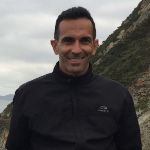
Dr. David Benavente is Full Professor of Petrology and Geochemistry at the University of Alicante. He is an expert in petrophysics and low-temperature geochemistry, with extensive experience studying processes occurring in the critical zone. His research focuses on gas exchange between soil and the atmosphere, combining laboratory and field experiments with numerical modeling. Currently, his research is evolving toward geochemical modeling for CO₂ and metal removal, as well as the transport of gases in volcanic environments. Within the SISMOVEGA project, his contribution will focus on analyzing geochemical anomalies associated with the emission of gases (CO₂ and ²²²Rn) as potential indicators of seismic activity, taking into account the geological characteristics of the region.
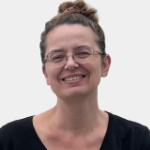
Dr. Adelina Geyer Traver is a Senior Scientist at Geosciences Barcelona (GEO3BCN-CSIC) and holder of a BSc and PhD in Earth Sciences from the University of Barcelona. She is the author of more than 80 scientific publications and has participated in 28 national and European research projects. She has held important positions in international scientific organizations and currently serves as Scientific Deputy Director of GEO3BCN-CSIC. Her research focuses on the internal dynamics of volcanic systems, numerical modeling of magmatic processes, and the assessment of volcanic hazards and risk. She also has extensive experience in science outreach and communication, having published four books and other educational resources. Her contribution to the SISMOVEGA project will be the development of the book “The Volkis meet the Quakis: Adventure in the Vega Baja del Segura.”
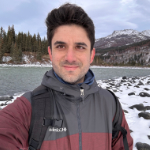
Dr. Noé García-Martínez completed his PhD at the University of Alicante, where he focused on the transport of volatiles and heat in volcanic and hydrothermal environments. His research aims to understand how water vapor condensation can release heat in the shallow subsurface and generate pre-eruptive thermal signals in active volcanoes, using a combination of laboratory experiments, numerical modeling, and remote sensing techniques. Within the SISMOVEGA project, his contribution will focus on the detection and interpretation of potential CO2 and 222Rn emissions associated with seismic activity in the area, taking into account the geological structures that may influence the transport of these volatiles.
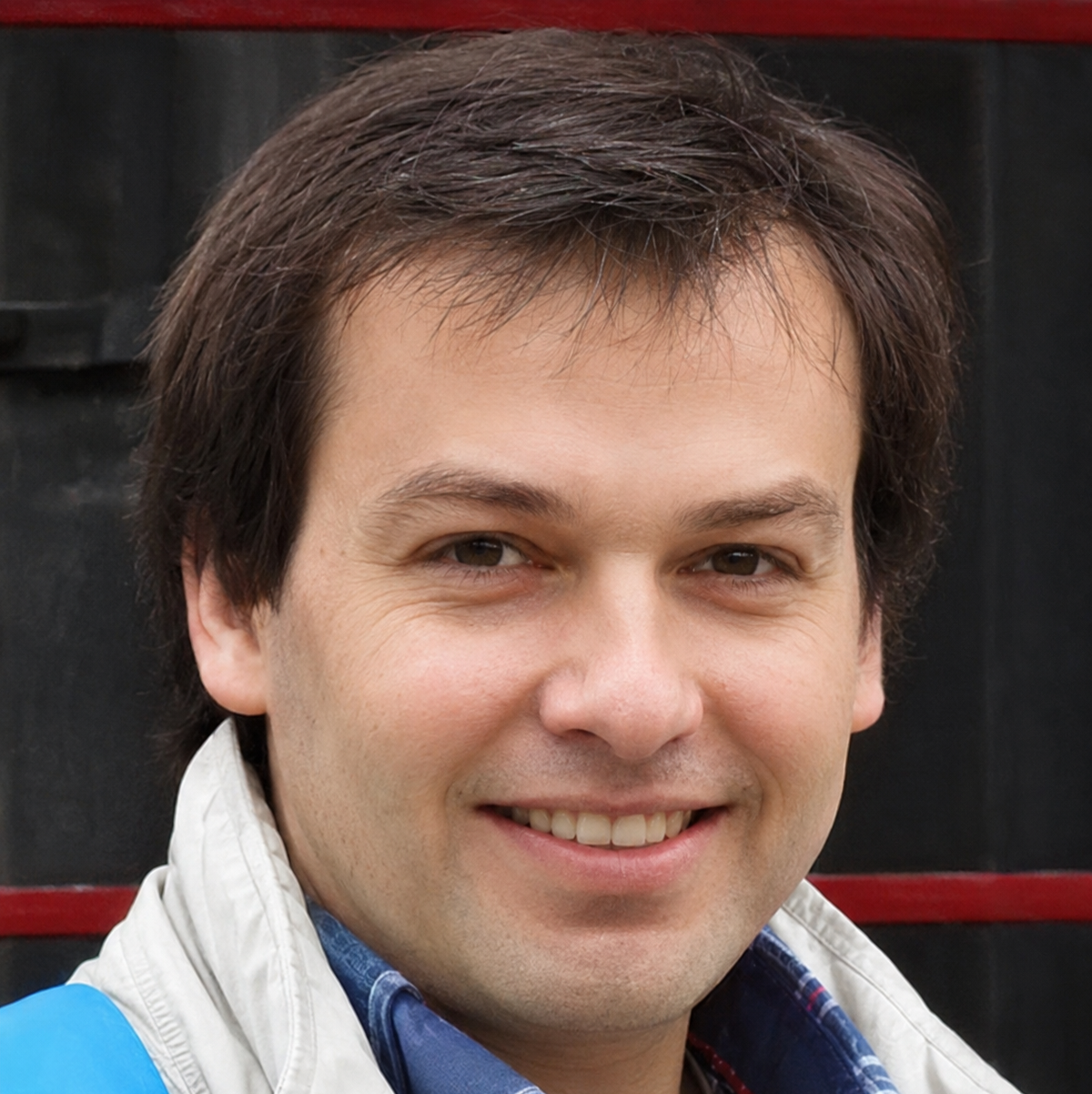
Dr. Sergio Molina is a Professor of Physics of the Earth at the Physics Department of the Faculty of Science of the University of Alicante (UA). He leads the Seismic and Meteorological Engineering and Risk Group, which is part of the seismic network of the Valencia region at the UA. His main expertise is on seismic hazard and risk assessment. Within the SISMOVEGA project, he will contribute to the development of short-term seismic hazard and risk analyses, building on the expertise and datasets of the seismic network of the Valencia region.
Dr. Martínez-Garzón is a geophysicist specializing in earthquake physics and crustal deformation at the GFZ Helmholtz Centre for Geosciences in Germany. She leads the Seismo-mechanics and Slip Transients Working Group and serves as Principal Investigator of an ERC Starting Grant (QUAKEHUNTER), as well as of a Helmholtz Young Investigator Group associated with the award of a first professorship for outstanding female scientists. Her research integrates seismic and aseismic deformation processes across a wide range of temporal and spatial scales, with a particular emphasis on understanding the physical mechanisms governing earthquake generation and imaging the stress state of faults to improve seismic hazard assessment. She also holds a joint appointment as Associate Professor of Applied Seismology at RWTH Aachen University, Germany, and is a member of the Young Academy of Spain. Within the SISMOVEGA project, Dr. Martínez-Garzón will contribute her expertise in seismology, fault mechanics, and crustal deformation processes to the analysis and interpretation of seismic activity recorded in the Vega Baja del Segura region.

Dr. Beatriz Benjumea is Research Scientist at IGME-CSIC. Her research focuses on the characterization and visualization of subsurface geological structures and processes using geophysical methods. She applies and develops active and passive seismic techniques, geophysical borehole logging, and ground-penetrating radar for glacier studies, integrating these with geological and petrophysical data to build comprehensive models. Her work addresses key challenges in climate change (glaciology), geological hazards (site-effect studies, subsidence), energy transition (geothermal resources, geological storage), and hydrogeology (aquifer characterization, saline intrusion). She also explores innovative technologies such as Distributed Acoustic Sensing (DAS) for urban environments. Within SISMOVEGA, Dr. Benjumea will contribute to the analysis of DAS data for subsurface characterization and for enhancing seismic monitoring and seismic hazard assessment in the Vega Baja del Segura region.
Dr. Juan Luis Soler holds a PhD in Physics Applied to Science and Technology from the University of Alicante. Since 2007, he has served as a Technical Specialist for the Seismic Network of the Valencian Community, attached to the Department of Earth and Environmental Sciences at the University of Alicante. His research background focuses on the design, development, and validation of modular seismic data and noise acquisition systems based on open hardware and software, with a particular emphasis on the creation of portable and wireless solutions for seismic arrays. His operational profile integrates advanced geophysical signal analysis, spatiotemporal location of seismic events, and the administration of real-time monitoring environments under the SeisComP platform. He possesses an extensive track record in public seismic outreach. Within the SISMOVEGA project, he will contribute his experience in seismic network management, real-time SeisComP data streaming, signal analysis, earthquake location, and public scientific outreach.
Dr. Pilar Sánchez is a seismologist and works as a Senior Scientist at Geosciences Barcelona (GEO3BCN-CSIC). Her research focuses on the development and application of passive seismic methods to image and monitor the subsurface. She works on applications related to georesource exploration, with a particular focus on geothermal reservoirs, as well as on the monitoring of subsurface processes relevant for natural and human-induced hazards. Within the SISMOVEGA project, her contribution focuses on applying seismic noise interferometry techniques to Distributed Acoustic Sensing (DAS) data to investigate ground stability and detect subsurface changes in the study area.
Jorge Canudo García is an R&D Engineer at Aragón Photonics Labs and a PhD candidate at the Grupo de Tecnologías Fotónicas (GTF), University of Zaragoza. He holds a degree in Physics and an MSc in Physics and Physical Technologies. His research focuses on Distributed Acoustic Sensing (DAS), including both hardware development and the application of DAS technologies in different fields. His work covers optical sensing systems, signal processing, and experimental data analysis, with particular interest in distributed fiber optic sensing technologies and their use for real-world monitoring applications. Within SISMOVEGA, he will contribute to the development and application of interferometric techniques for seismic monitoring in the Vega Baja del Segura region.
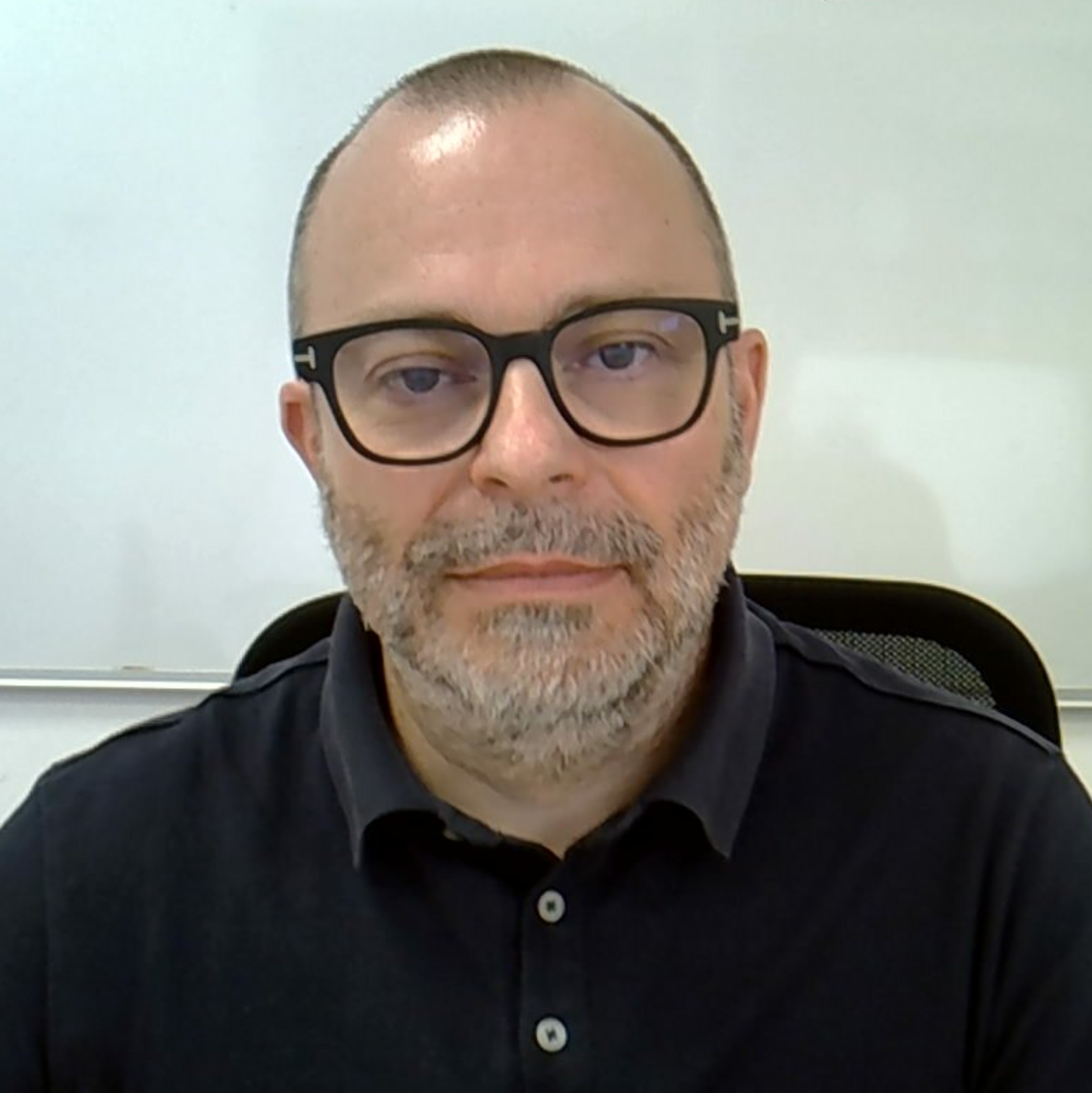
Dr. David Martí is a geophysicist and Senior Scientist at Geosciences Barcelona (GEO3BCN-CSIC). He holds a BSc in Physics and a PhD in Earth Sciences from the University of Barcelona. His research focuses on the application of seismic methods, including controlled-source and ambient-noise techniques, for the characterization, monitoring, and modeling of the subsurface at different scales. He is also interested in integrating seismic observations with other geophysical datasets to improve our understanding of Earth’s interior. Currently, he serves as Scientific Coordinator of the Seismic Laboratory at GEO3BCN-CSIC. Within the SISMOVEGA project, he will contribute through the laboratory’s technical and scientific support and through his expertise in the analysis and interpretation of seismic data for the study of shallow subsurface structures and active fault zones.
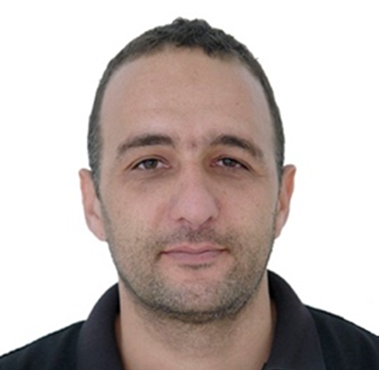
Dr. B. Y. Nassim Benabdeloued is Assistant Professor of Physics and Electronics at the University of Alicante. He is an expert in geophysics, with extensive experience in seismology, the implementation, development, and maintenance of seismic networks, as well as geophysical studies using ground-penetrating radar (GPR), electrical resistivity tomography (ERT/VES), and active and passive seismic methods. He is also actively involved in the development and application of low-cost technologies for seismological research. Within the SISMOVEGA project, his contribution will focus on the implementation of complementary techniques for DAS monitoring, the analysis of seismic and geophysical data from the Vega Baja region, and the processing and location of seismic events.
Varvara Vedia is a journalist with a Master’s degree in Gender Studies from the University of Geneva. Currently based at GEO3BCN-CSIC, she has extensive experience in science communication, outreach, and the design of communication strategies for European projects. Her approach is built on creating meaningful connections between complex research and the people it affects. Within the SISMOVEGA project, she will support communication and outreach activities, contributing to the development of clear, accessible, and engaging content.
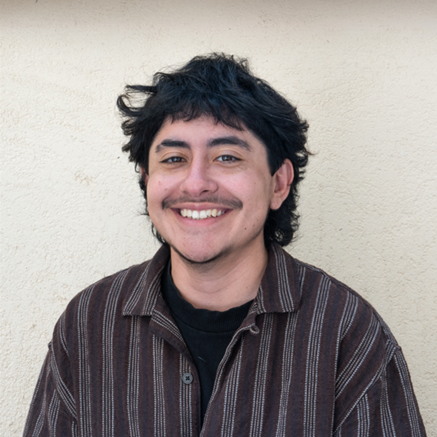
Noah Schamuells is a dedicated science communicator and cartoonist who has been active in the field since 2011. He graduated in Geology from the University of Barcelona and later specialized in mineral deposit exploration and volcanology. His work is prominently featured on his Instagram platform as @schtonegeology. He has illustrated several science outreach books, including “The Volkis,” and remains committed to producing more diverse, accessible, engaging, and inclusive content. His latest published works include the graphic novel “Bitácora. Una Aventura Oceanográfica” (“Logbook. An Oceanographic Adventure”) and “Los Volkis: Aventura en La Palma” (“The Volkis: Adventure in La Palma”). His contribution to the SISMOVEGA project will be the development of the book “Los Volkis conocen a los Quakis: Aventura en la Vega Baja del Segura”.
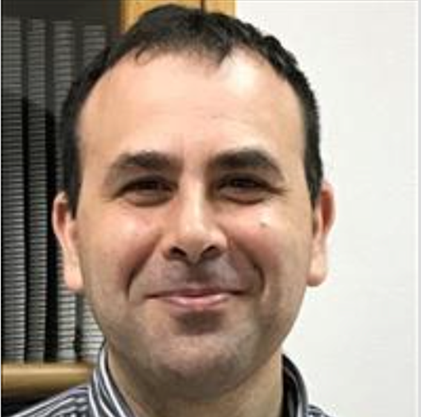
Dr. Juan Jose Galiana-Merino is Full Professor in the Department of Physics, System Engineering and Signal Theory at the University of Alicante. His lines of research focus on digital processing of seismic signals, design of signal acquisition systems, studies of site effects, and forecasting and early warning of earthquakes. Within the SISMOVEGA project, he will contribute to the analysis and interpretation of seismic data for subsurface characterization and seismic hazard assessment in the Vega Baja del Segura region.

Dr. Carlos García-Saura holds a PhD in Computer and Telecommunications Engineering and is a research professor at the Higher Polytechnic School of the Autonomous University of Madrid (UAM). His expertise includes the design of low-cost multimodal sensors, the implementation of distributed and scalable systems that make high-quality scientific data acquisition more accessible, and real-time data processing using hardware accelerators. His contribution to the project includes providing data from the Open Seismometer Network, as well as supporting the interconnection of the data acquisition system and the scalability of data processing and distribution.
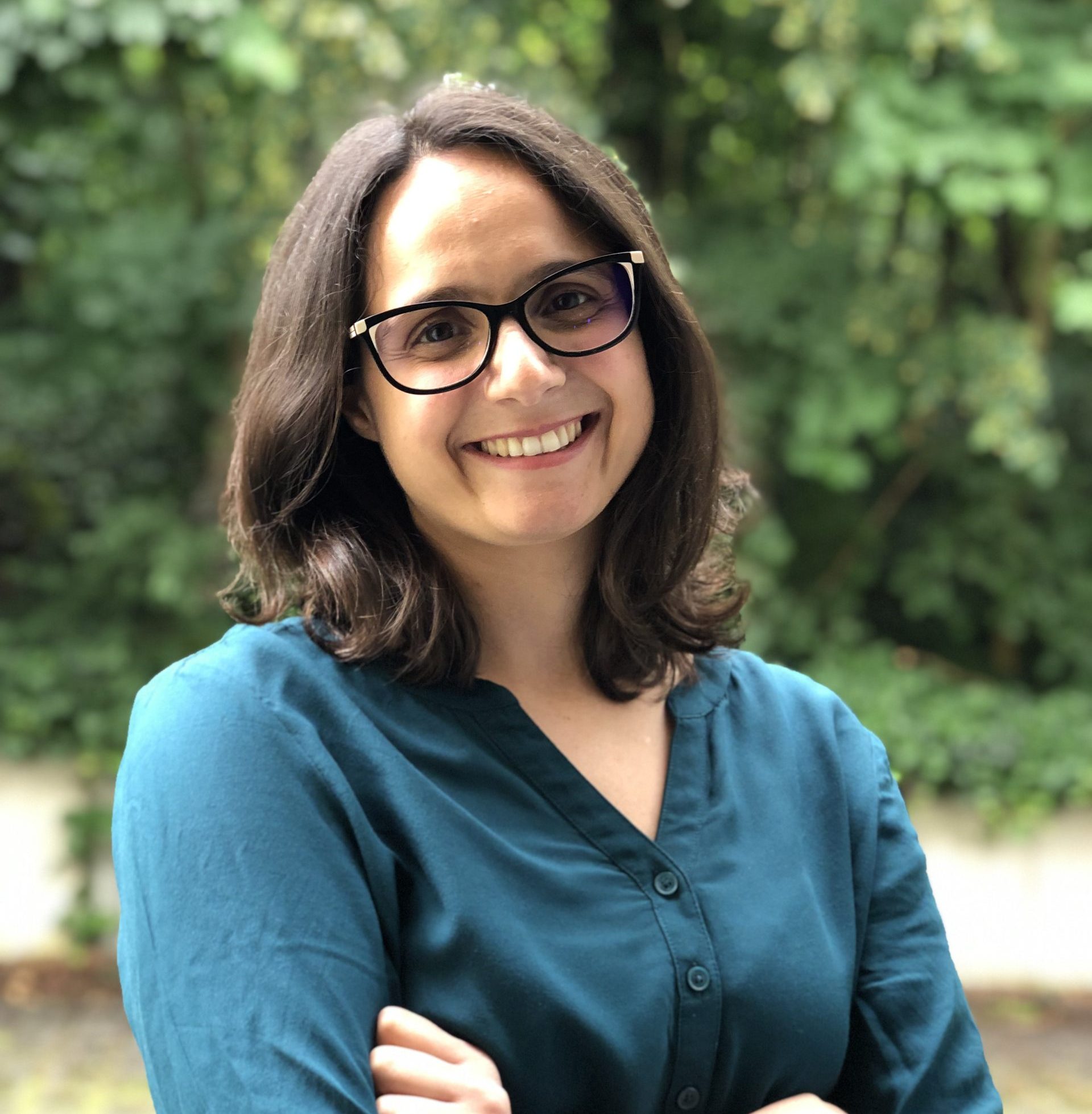
Dr. Verónica Rodríguez Tribaldos is a geophysicist at the GFZ Helmholtz Centre for Geosciences in Potsdam (Germany), where she leads a Helmholtz Young Investigator Group. Her research focuses on the development and application of passive seismic methods for geophysical characterization and monitoring of subsurface processes for applications in geohazards, natural and engineered geothermal systems, and sustainable management of groundwater and energy resources. She specializes on the advancement and utilization of Distributed Acoustic Sensing (DAS) deployed on existing telecommunication networks for regional-scale, high-resolution imaging and monitoring in populated areas using ambient noise methods. Within the SEISMOVEGA project, she will contribute her expertise on combining ambient noise interferometric approaches and DAS for near-surface characterization and monitoring of subsurface processes in the Vega Baja del Segura region.

Nahúm Méndez-Chazarra holds a degree in Geology from the University of Granada and is a science communicator. He is currently pursuing his PhD at the University of Valencia, and he is involved in the development of a dense, low-cost seismic network designed to complement existing monitoring systems and improve the detection and characterization of microseismicity across the Iberian Peninsula. Within the SISMOVEGA project, he will contribute continuous seismic data acquired by the different nodes of this open seismic network currently deployed in the study region.
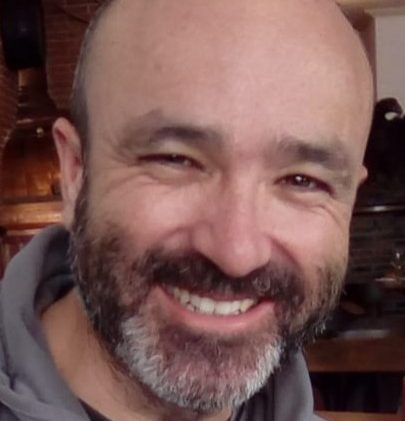
Dr. Igor Gómez Doménech is an Associate Professor of Earth Physics at the University of Alicante. He holds a BSc and a PhD in Physics from the University of Valencia. His research focuses on the use of numerical models, remote sensing techniques, and observational data to improve the understanding of the physical processes underlying severe weather events. In addition, his work involves the analysis of environmental time series and sensor-derived data to support multi-hazard assessment, forecasting, and early warning systems. Within the SISMOVEGA project, his contribution will focus on the analysis of geochemical and environmental data related to multi-hazard scenarios in the Vega Baja del Segura region.
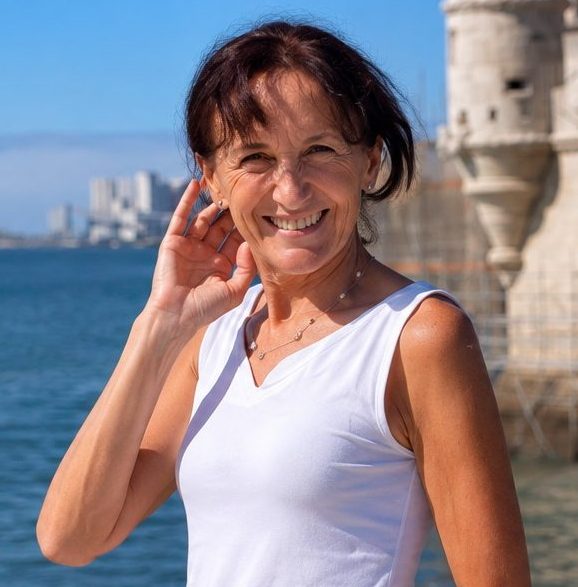
Dr. Arantza Ugalde is a seismologist at the Institut de Ciències del Mar (ICM-CSIC) in Barcelona. At the ICM, she leads the research line in fibre-optic sensing technologies for earthquake and acoustic monitoring. She has experience analysing distributed acoustic sensing (DAS) data from submarine fibre-optic cables and integrating dense DAS observations with conventional seismic stations to characterize seismic signals. Her work includes event detection and location, noise analysis, and the efficient processing of large DAS datasets. In SISMOVEGA, she would contribute to the analysis and interpretation of DAS records in the Vega Baja del Segura region, including signal processing, event detection and location, and noise assessment.
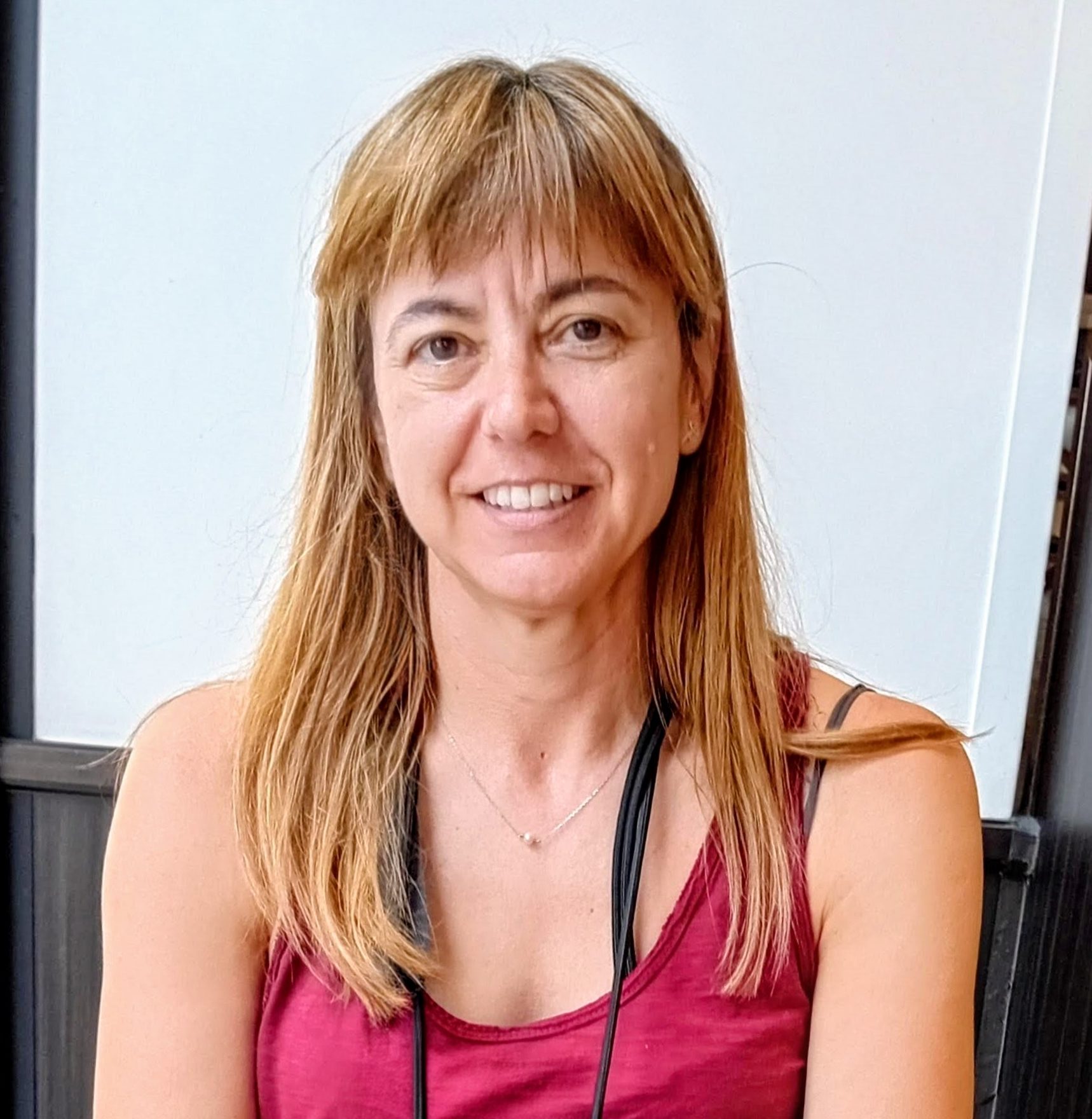
Dr. Imma Palomeras is a geophysicist at Geosciences Barcelona (GEO3BCN-CSIC). She has extensive expertise in seismic data acquisition, processing, interpretation, and integrated geophysical modelling within multidisciplinary and international research projects. Her research focuses on imaging the Earth’s crust and upper mantle using active- and passive-source seismology, with particular emphasis on lithospheric architecture, tectonic processes, and subsurface characterization. She develops and applies advanced methods, including seismic reflection, wide-angle seismics, surface-wave tomography, and receiver-function analysis, to investigate the lithosphere across a wide range of tectonic settings. Within the SISMOVEGA project, she contributes to subsurface characterization and ground stability assessment through the analysis of passive seismic data. Her research uses ambient-noise seismic interferometry to image shallow structures and improve our understanding of seismic hazards in the Vega Baja del Segura region.
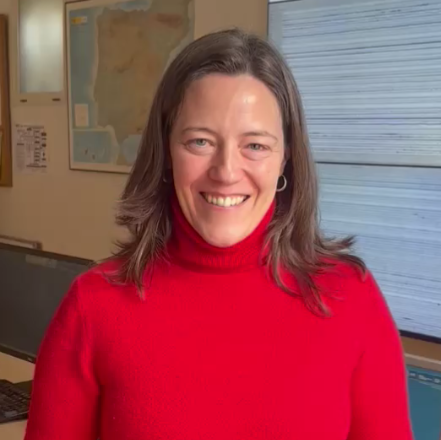
Dr. Beatriz Gaite is a Geographical Engineer based at the Instituto Geográfico Nacional (IGN) of Spain and holds a PhD in Earth Sciences. Her work in the National Seismic Network is related to the development of seismic and tsunami alert systems. She has experience in seismic signal analysis and has performed some DAS experiments to test their applicability and usefulness on the National Seismic Network. Within the SISMOVEGA project, she will contribute to the analysis of DAS records to improve the Vega Baja del Segura seismic characterization by including fiber optic records to other conventional seismic data.
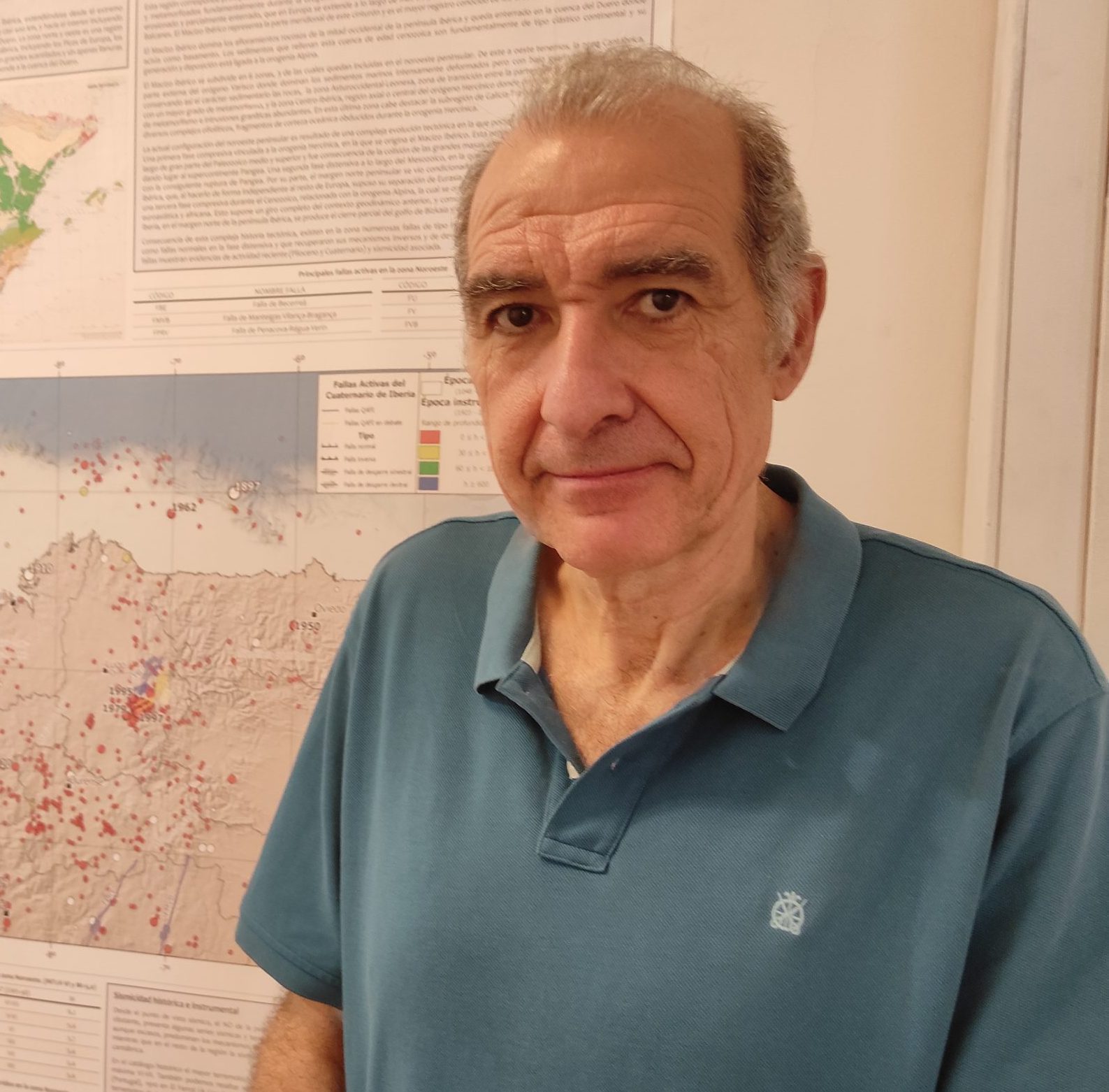
José Benito Bravo Monge has been a Geographic Engineer at the National Geographic Institute (IGN) since 1993. His seismological expertise includes earthquake location and Lg wave studies. He is the responsible for the seismic instrumentation of the National Seismic Network (RSN) from long time ago. He has participated in Distributed Acoustic Sensing (DAS) experiments conducted by the IGN in collaboration with other institutions to assess their utility within an early warning network. Within the SISMOVEGA project, he will contribute to comparing and integrating DAS data with data recorded by the conventional seismometers and accelerometers that the RSN has deployed across Spain.
Dr. Corentin Caudron is a researcher at the Université Libre de Bruxelles, Belgium, with expertise in multidisciplinary geophysical monitoring, including continuous seismicity, (hydro-)acoustics, lake monitoring, and degassing processes. He has extensive experience in the design and operation of monitoring systems, ranging from seismic and acoustic networks to emerging DAS technology. He has co-led the Commission on Volcanic Lakes (2019–2023) and the focus group on Artificial Intelligence for Eruption Forecasting, and serves as a board editor of the open-access journal Volcanica. Since 2026, he has co-led the IAVCEI/IASPEI Commission on Seismology and Acoustics. He is also actively involved in outreach, media engagement, and art–science initiatives. Within SISMOVEGA, he focuses on noise characterization and subsurface imaging in the Vega Baja del Segura using DAS data.

Dr. José Delgado is a Professor of Engineering Geology at the University of Alicante. He studied the seismic response of the Vega Baja of Segura River and proposed the geological and geotechnical model currently in use in this area. Currently, his research focuses in seismic induced effects (landslides and liquefaction), their evaluation and elaboration of hazard maps. Within SISMOVEGA, Dr. Delgado will contribute to the analysis of seismic record data for subsurface characterization and for enhancing the seismic response assessment in the Vega Baja area.
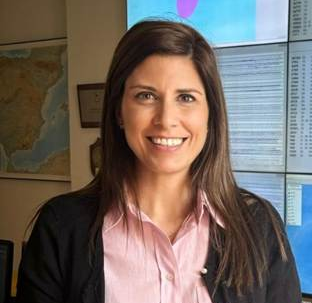
Dr. Sandra Ruiz-Barajas is a Geomatics Engineer (Surveying, Geodesy and Cartography) and holds a PhD in Geomatics Engineering. She is based at the Instituto Geográfico Nacional (IGN) of Spain, where she works within the National Seismic Network. She has experience in seismic hazard assessment, Geographic Information Systems (GIS), and geospatial data analysis applied to seismic monitoring. She has participated in Distributed Acoustic Sensing (DAS) experiments to evaluate the potential of fibre-optic technologies for earthquake detection. Within the SISMOVEGA project, she will contribute to the analysis of DAS data and its integration with conventional seismic records to improve earthquake detection and location, and to enhance the characterization of seismicity in the Vega Baja del Segura area.
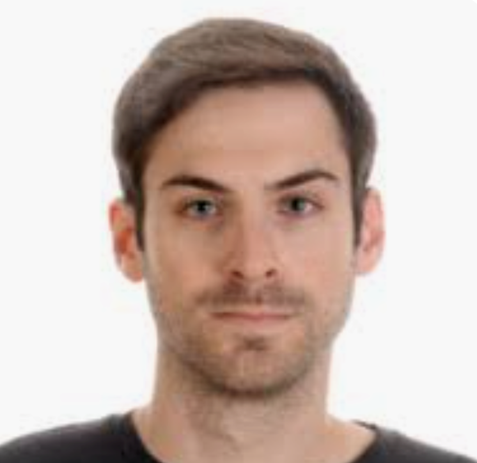
Dr. David Montiel-López is a geologist and physicist with a PhD in the area of Physics of the Earth at the University of Alicante. His research focuses on two branches: 1) earthquake early warning and seismic activity forecast by using geophysical and geochemical parameters (such as radon gas and CO2); and 2) seismic clustering with a focus on seismic hazard analysis. Within the SISMOVEGA Project, he will contribute by analyzing the spatiotemporal correlation between seismicity and geophysical and geochemical parameters’ time series for seismicity forecasting, so it can be integrated in the Valencian Community seismic network analysis.
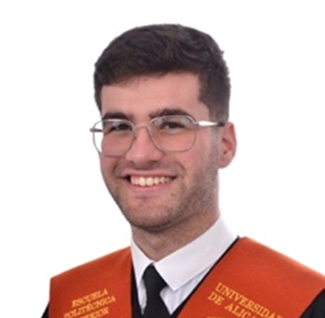
Ivan Montiel Martínez is a PhD student in Applied Physics for Sciences and Technology, with a research line focused on seismic risk, at the University of Alicante. He also serves as a technician of the Seismic Network of the Valencian Community, where he is responsible for the management and maintenance of the region’s active seismic monitoring infrastructure. His background in Telecommunication Engineering, completed at both bachelor’s and master’s level, provides him with solid expertise in signal processing and filtering, as well as in fiber optic technologies. Within the SISMOVEGA project, he contributes his expertise in seismic network infrastructure and his ability to combine telecommunications and geophysical monitoring approaches.